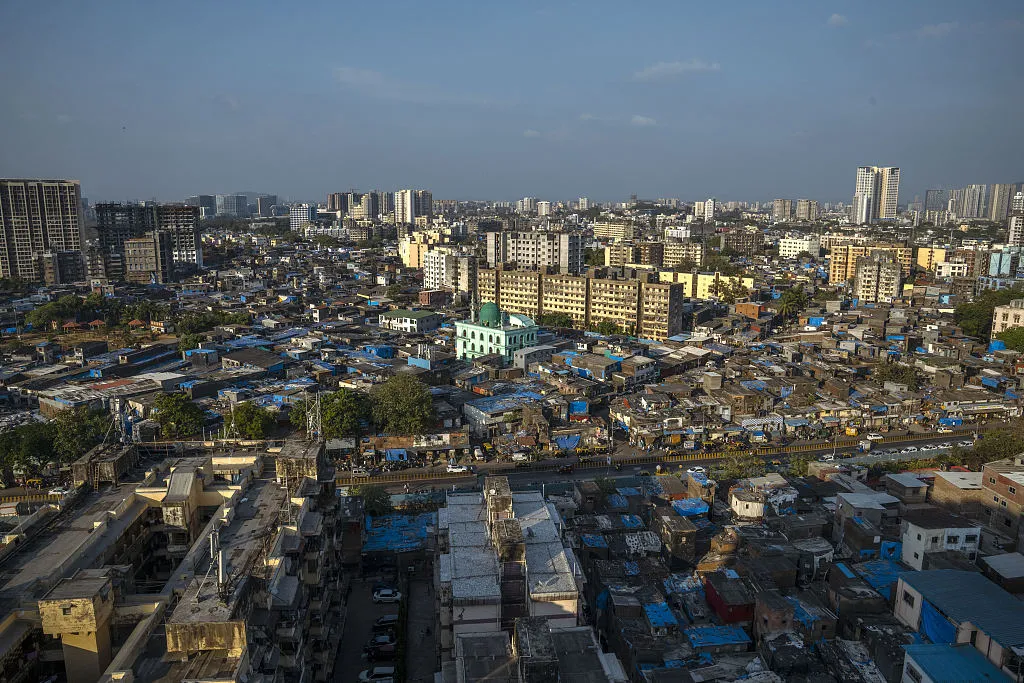
India Vs Singapore India vs. Singapore: Smart Cities Built on Scale or Precision? India and Singapore: Two Smart City Visions, Two Very Different PathsLaunched in 2015, India’s Smart Cities Mission set out with an ambitious goal—to transform 100 cities into sustainable, technology-driven urban centers. Nearly a decade later, the scale of the effort is undeniable. By July 2024, over 90% of the 8,000+ multi-sector projects had been completed, backed by investments exceeding $19 billion. Cities such as Bhubaneswar and Pune have emerged as early success stories. Bhubaneswar’s Smart Janpath initiative, for example, combines intelligent traffic systems with smart parking, reducing congestion by 15% in high-traffic zones. Pune has taken a bold leap toward sustainability, electrifying 90% of its public bus fleet by 2024, resulting in a 20% reduction in emissions. These initiatives are critical as India’s urban population—currently 35% of the total—is expected to reach 50% by 2050. However, managing smart growth at this scale brings challenges. The 2025 IMD Smart City Index places major Indian cities well below global leaders—New Delhi (86th), Mumbai (93rd), Hyderabad (85th), and Bengaluru (95th)—highlighting persistent gaps in infrastructure, governance, and livability. Air pollution remains a pressing issue, with Delhi’s AQI hovering between 200 and 300, while access to basic amenities remains uneven in many regions. Bureaucratic delays and inconsistent funding have further slowed progress; by 2023, only 60% of allocated funds were effectively utilized, particularly impacting tier-2 cities.Singapore’s Precision-Driven Smart Nation ModelIn contrast, Singapore’s Smart Nation initiative, launched in 2014, represents a sharply focused and precision-led approach. Ranked 5th globally and the smartest city in Asia in the 2024 IMD Smart City Index, Singapore leverages AI, IoT, and a country-scale digital twin—Virtual Singapore—to manage its urban ecosystem. This real-time, 3D digital model has helped reduce traffic congestion by 25% through AI-driven traffic optimization and lowered energy consumption in public buildings by 15% via smart grids. Singapore’s public transport system boasts an impressive 99% on-time reliability, while universal high-speed internet—averaging 250 Mbps—sets a global benchmark. Singapore’s compact size—just 728 square kilometers—allows for targeted investments. Initiatives like Smart Work Centres have reduced daily commuting by 10% in 2024, easing congestion and improving work-life balance. Still, challenges remain. The 2023 IMD Index flagged affordable housing as a major concern, with median home prices reaching $1.2 million, and cultural vibrancy is constrained by limited physical space. There’s also a broader question: does heavy reliance on technology risk widening social gaps by primarily benefiting the affluent?Collaboration, Learning, and Shared OpportunitiesIndia and Singapore have increasingly collaborated, combining ambition with expertise. Singapore has played a key advisory role in projects such as Andhra Pradesh’s proposed capital city, a 7,235-square-kilometer development—nearly ten times the size of Singapore. Initiated in 2015, the project reflects Singapore’s planning principles, though progress has been slowed by bureaucratic hurdles, including restrictions on foreign architects. At the 2023 DST-CII Technology Summit, both nations identified AI, IoT, and green mobility as priority areas for cooperation. India benefits from Singapore’s technological and planning expertise, while Singapore gains access to India’s vast market and talent pool. India could adopt Singapore’s integrated governance model, where coordination between government, industry, and academia has delivered a 95% citizen satisfaction rate in public services. In contrast, only 40% of India’s smart city projects meet their original deadlines. Meanwhile, Singapore could draw inspiration from India’s inclusive approach, particularly its emphasis on affordable housing and basic services—areas where Singapore’s model sometimes falls short.Scale vs. Precision: Finding the Right BalanceIndia’s strength lies in its scale and ambition, addressing massive urban needs across a diverse population. Singapore excels in precision and efficiency, delivering consistently high-quality outcomes—but with limited scalability. The 2025 IMD Index shows cities like Zurich (1st) and Dubai (8th) successfully blending both approaches, offering a compelling blueprint. India’s upcoming developments, such as Dholera Smart City within the Delhi–Mumbai Industrial Corridor, aim to strike this balance—combining Singapore-inspired technology with India’s expansive vision. As urban populations surge—India’s projected to reach 600 million by 2030, Singapore’s 6.5 million—the future of smart cities will depend not on scale or precision alone, but on how effectively the two are integrated. In the end, the smartest cities may be those that marry India’s ambition with Singapore’s meticulous execution.